




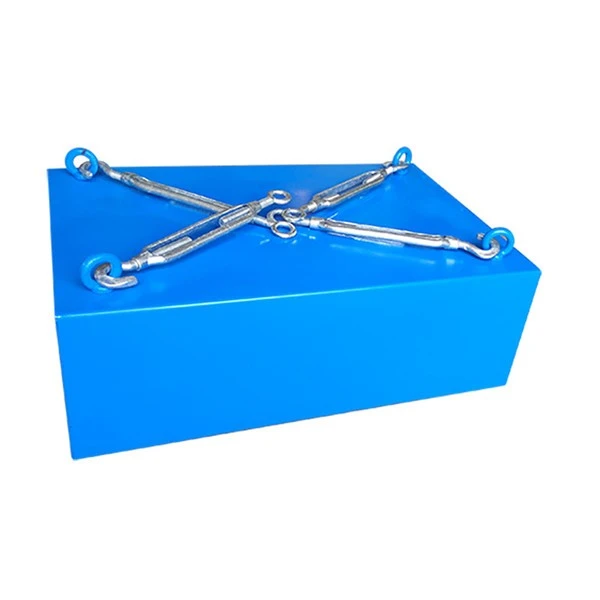


Products Description
Magnetic Iron Separator for Mineral – Robust Tramp Iron Protection for Mining Operations
In the demanding environment of mineral processing and mining, tramp iron contamination poses a constant threat to crushers, mills, screens, and conveyor belts. The magnetic iron separator for mineral is engineered specifically to address this challenge, providing continuous, reliable extraction of ferrous metals from ore feeds, slurries, and dry mineral streams. Whether you are processing iron ore, coal, copper, gold, or industrial minerals, our magnetic separators remove damaging tramp iron that can cause costly equipment downtime and compromise product quality. The magnetic iron separator for mineral uses a high‑intensity magnetic circuit – employing sintered neodymium‑iron‑boron (NdFeB) or ferrite magnets – to generate a deep, powerful field that captures ferrous particles ranging from fine dust to large stray bolts and digger teeth.


Configurations to Match Your Mineral Processing Needs
Suspended Magnetic Separators
Installed above conveyor belts, these magnetic iron separators for mineral remove tramp iron from material streams before they reach crushers or mills. Available in self‑cleaning or manual‑cleaning designs, with magnetic intensities up to 4000 Gauss.
Magnetic Drums & Pulleys
Ideal for continuous separation of ferrous materials from dry or wet mineral feeds. Magnetic drums are used in concentration circuits, while pulleys are installed as head rollers on belt conveyors to automatically extract tramp iron.
Grate & Plate Magnets
For chutes, hoppers, and pneumatic lines, grate magnets offer a compact, high‑intensity solution to capture ferrous fines from free‑flowing minerals. Plate magnets are mounted over conveyors or in suspension for smaller material streams.
Built for Mining – Robust Design, Long Service Life
We provide a comprehensive test report, including field intensity profile, bearing temperature logs, and material certificates. Our IATF 16949 and ISO 9001 quality systems ensure traceability and consistent quality for mining customers. We also offer site‑specific engineering support, including FEA structural analysis and installation supervision for large projects.

Packaging & Logistics – Ready for Mine Site Deliveryt
Each separator is securely packed in a heavy‑duty wooden crate or steel‑framed container with anti‑corrosion treatment and internal bracing. We provide full shipping documentation, including commercial invoice, packing list, and certificate of origin. Lead times: standard models 20‑25 days; custom designs 30‑40 days. We offer global delivery with customs clearance support and can arrange on‑site commissioning for large orders.

Q1: What is the fundamental working principle of a mineral magnetic iron separator?
A1: It exploits magnetic susceptibility differences among minerals. As slurry or dry material enters the separation zone, magnetic particles (e.g., magnetite) form "magnetic clusters" or "chains" under the field. These are attracted to the rotating drum or magnetic surface, while non‑magnetic gangue flows away. The captured magnetic concentrate is then discharged as the drum rotates past the field edge. This continuous process effectively upgrades ore grade.
Q2: What are the key structural differences between dry and wet magnetic separators for minerals?
A2: Dry separators use air as the medium, processing coarse, dry ores without water. Wet separators use water or slurry, ideal for fine particles (<3mm) and higher throughput. Wet drums have a stainless steel shell rotating around a fixed magnetic system inside a trough, with options for concurrent, counter‑current, or semi‑counter‑current flow. Dry types often use belts or rollers.
Q3: What types of minerals can be processed by a magnetic iron separator?
A3: It handles a wide range: strongly magnetic minerals like magnetite and pyrrhotite; weakly magnetic ones like hematite, limonite, and ilmenite; and non‑metallic minerals for iron removal, such as quartz, kaolin, and feldspar. It also processes roasted ores, manganese ores, and even coal for desulfurization.
Q4: How does a magnetic separator differ from a magnetic iron remover (tramp iron magnet) in mineral processing?
A4: A separator is designed to split the feed into magnetic concentrate and non‑magnetic tailings, handling ores with significant iron content. A remover simply extracts occasional tramp iron contaminants from a primarily non‑magnetic product stream to protect downstream equipment. Separators are more complex and continuously process large volumes, while removers are simpler and often manually cleaned.