



Hey there! As a supplier of disk magnets, I often get asked about the differences between neodymium disk magnets and ferrite disk magnets. So, I thought I'd write this blog to break it all down for you.
First off, let's talk about what these magnets are made of. Neodymium disk magnets are part of the rare - earth magnet family. They're made from an alloy of neodymium, iron, and boron (NdFeB). On the other hand, ferrite disk magnets, also known as ceramic magnets, are made from a composite of iron oxide and barium or strontium carbonate.
Magnetic Strength
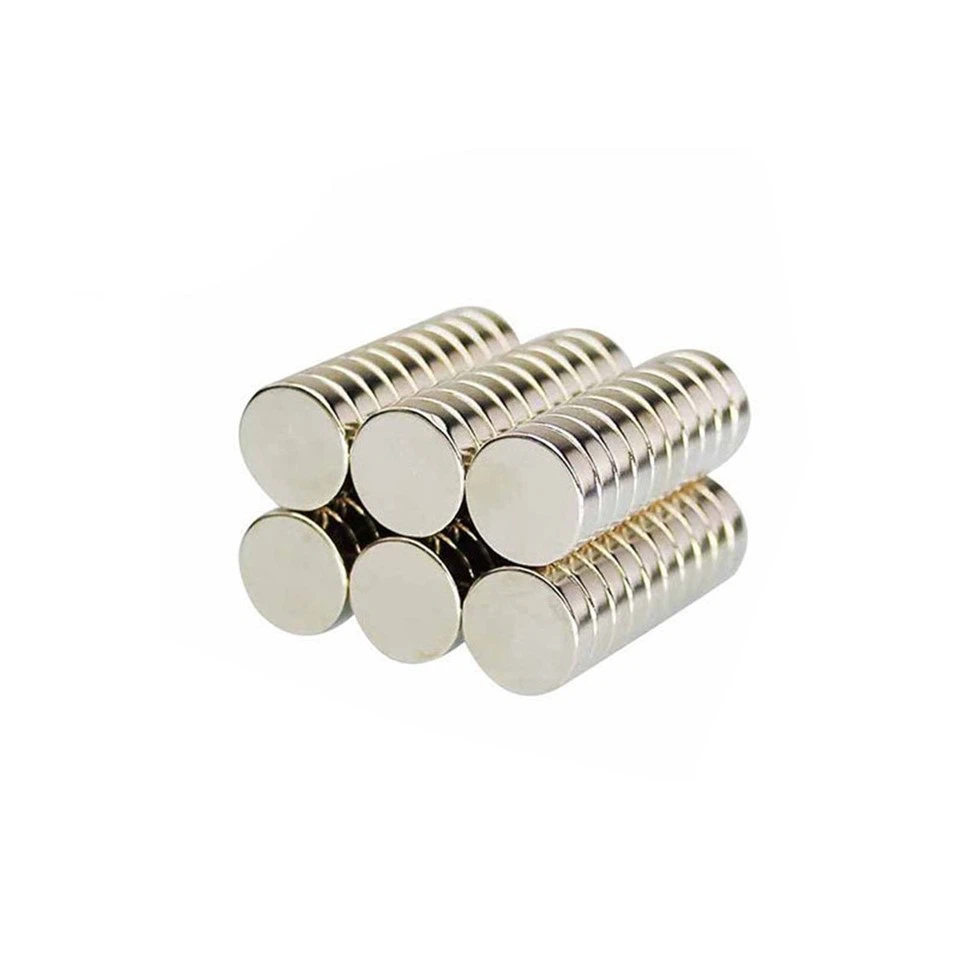
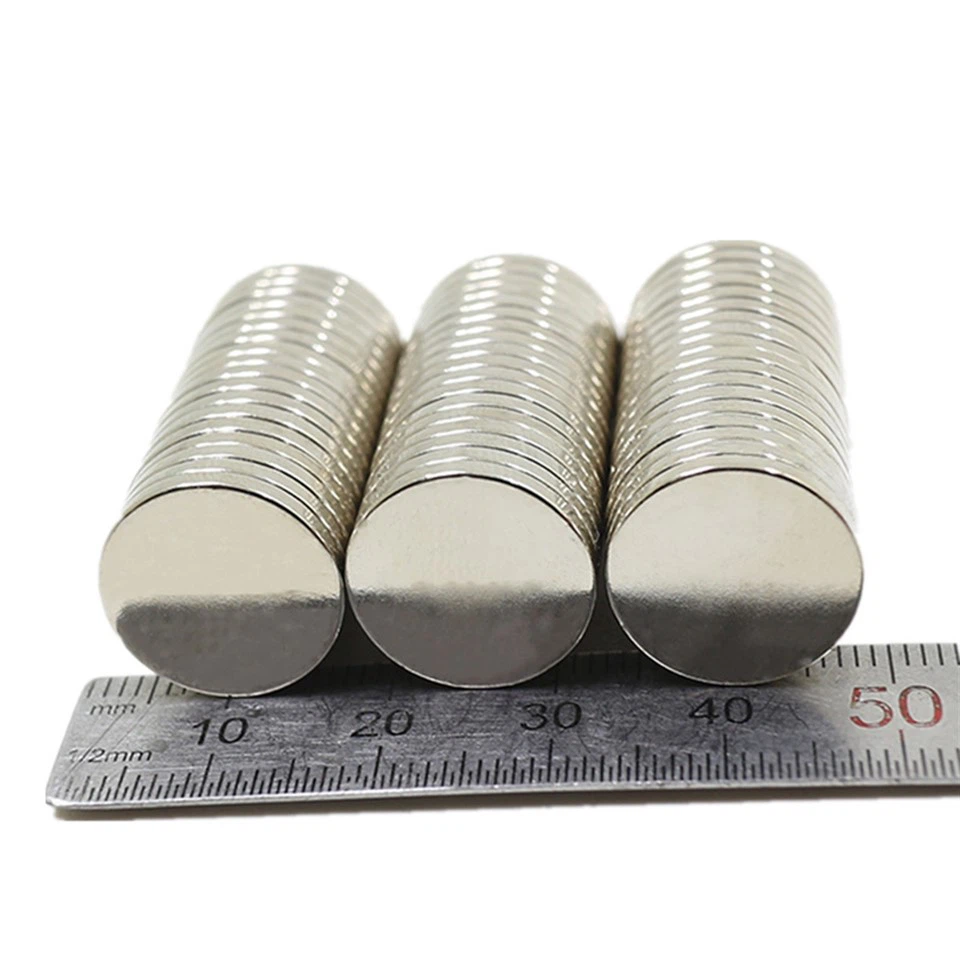
One of the most significant differences between these two types of disk magnets is their magnetic strength. Neodymium disk magnets are incredibly powerful. They have the highest magnetic field strength among all permanent magnets available today. You can check out our N52 Neodymium Round Magnets to see some of the strongest neodymium options we offer.
In contrast, ferrite disk magnets have a much lower magnetic strength. They're suitable for applications where a moderate magnetic force is required. For example, if you're making a simple refrigerator magnet or a small craft project, ferrite magnets would do the job just fine. But if you need a magnet for a high - performance motor or a magnetic separator, neodymium magnets are the way to go.
Cost
Cost is another important factor to consider. Neodymium disk magnets are generally more expensive than ferrite disk magnets. The reason for this is the cost of the raw materials used in their production. Neodymium is a rare - earth element, and its extraction and processing are quite costly. Also, the manufacturing process of neodymium magnets is more complex and requires more advanced technology.
Ferrite magnets, on the other hand, are made from relatively inexpensive materials like iron oxide. Their production process is simpler and more cost - effective. So, if you're on a tight budget and don't need extremely strong magnets, ferrite disk magnets are a great choice.
Temperature Resistance
Temperature can have a big impact on the performance of magnets. Neodymium disk magnets have relatively poor temperature resistance. They start to lose their magnetic properties at relatively low temperatures. The maximum operating temperature for standard neodymium magnets is around 80 - 100°C. However, there are high - temperature grades available that can withstand temperatures up to 200°C or more, but these are even more expensive.
Ferrite disk magnets, on the other hand, have better temperature resistance. They can maintain their magnetic properties at much higher temperatures, often up to 250 - 300°C. This makes them suitable for applications where the magnet will be exposed to high - temperature environments, such as in some industrial ovens or automotive engines.
Corrosion Resistance
Corrosion is also a concern when it comes to magnets. Neodymium disk magnets are prone to corrosion because of the iron content in their alloy. If they're not properly coated, they can rust quickly, which will reduce their magnetic strength and lifespan. That's why most neodymium magnets are coated with materials like nickel, zinc, or epoxy to protect them from corrosion.
Ferrite disk magnets have good corrosion resistance. They're not as susceptible to rust and oxidation as neodymium magnets. This makes them a better choice for applications where the magnet will be exposed to moisture or harsh chemicals.
Applications
The differences in magnetic strength, cost, temperature resistance, and corrosion resistance mean that neodymium and ferrite disk magnets are used in different applications.
Neodymium disk magnets are commonly used in high - tech applications. They're used in computer hard drives to read and write data, in electric motors for their high torque and efficiency, and in magnetic resonance imaging (MRI) machines in the medical field. You can explore our Neodymium Round Magnets to see the wide range of applications they can be used for.
Ferrite disk magnets are used in more everyday and industrial applications. They're used in speakers, magnetic toys, and in some types of magnetic switches. They're also used in some industrial applications where a moderate magnetic field and good temperature and corrosion resistance are required. Our Permanent Disc Magnet category includes a variety of ferrite options for different applications.
Size and Shape
Both neodymium and ferrite disk magnets come in a range of sizes and shapes. However, because of their high magnetic strength, neodymium magnets can be made smaller while still achieving the same magnetic effect as a larger ferrite magnet. This makes them ideal for applications where space is limited.
Ferrite magnets, due to their lower magnetic strength, may need to be larger in size to generate a sufficient magnetic field for a particular application.
Conclusion
So, in conclusion, the choice between a neodymium disk magnet and a ferrite disk magnet depends on your specific needs. If you need a powerful magnet for a high - performance application and cost is not a major concern, neodymium is the way to go. But if you're on a budget, need good temperature and corrosion resistance, and don't require extremely strong magnetic fields, ferrite disk magnets are a great option.
If you're interested in purchasing disk magnets for your project, whether it's neodymium or ferrite, feel free to get in touch with us. We can provide you with detailed information about our products, help you choose the right magnet for your application, and offer competitive pricing. Let's have a chat about your requirements and see how we can assist you in getting the perfect disk magnets for your needs.
References
- "Magnetics Handbook", various authors, a comprehensive guide on different types of magnets and their properties.
- Industry research reports on rare - earth and ferrite magnet production and applications.