



As a supplier of NdFeB Circular Magnets, I often encounter questions from customers regarding the suitability of these magnets for various environments. One question that comes up frequently is whether NdFeB circular magnets can be used in wet environments. This blog post aims to provide a comprehensive answer to this question, exploring the properties of NdFeB magnets, the challenges presented by wet conditions, and solutions for using these magnets in such environments.
Understanding NdFeB Circular Magnets
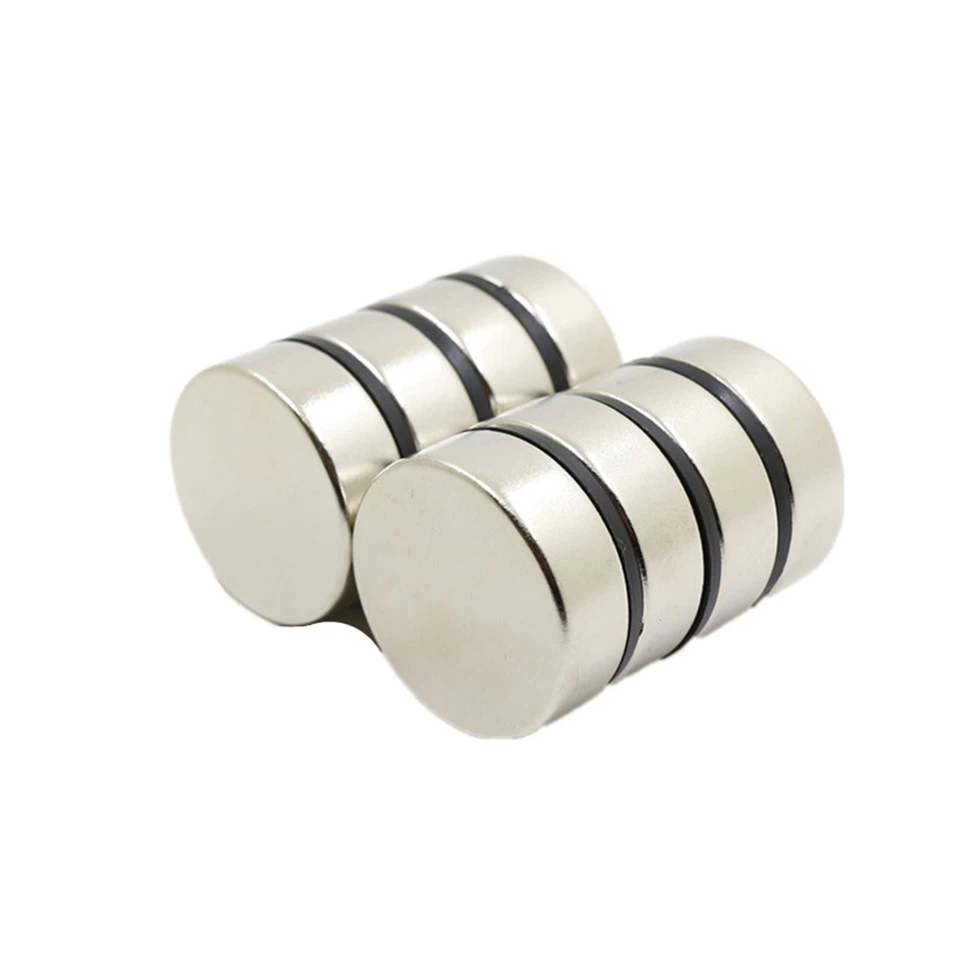
NdFeB, also known as neodymium iron boron, is a type of rare-earth magnet. NdFeB circular magnets, like the N52 Neodymium Round Magnets in our product range, are known for their exceptional magnetic strength. They are made from an alloy of neodymium, iron, and boron, and are the strongest type of permanent magnets available commercially.
These magnets are used in a wide range of applications, from consumer electronics and automotive systems to industrial machinery and renewable energy technologies. Their high magnetic energy product allows them to generate strong magnetic fields in relatively small sizes, making them ideal for applications where space is limited.
Challenges in Wet Environments
While NdFeB circular magnets offer many advantages, they are not without their limitations, especially when it comes to wet environments. The main challenge is the corrosion susceptibility of NdFeB magnets. The alloy composition of these magnets, particularly the iron content, makes them prone to rusting and corrosion when exposed to moisture and oxygen.
Corrosion can have a significant impact on the performance and lifespan of NdFeB magnets. As the magnet corrodes, its physical structure deteriorates, leading to a loss of magnetic strength. In severe cases, the magnet can become completely demagnetized or break apart, rendering it useless for its intended application.
Factors Affecting Corrosion
Several factors can influence the rate of corrosion of NdFeB circular magnets in wet environments:
- Water Quality: The purity of the water plays a crucial role. Water containing dissolved salts, acids, or other contaminants can accelerate the corrosion process. For example, seawater is highly corrosive due to its high salt content, and exposure to seawater can cause rapid deterioration of NdFeB magnets.
- Temperature: Higher temperatures generally increase the rate of chemical reactions, including corrosion. In warm and humid environments, the combination of heat and moisture can significantly speed up the corrosion of NdFeB magnets.
- Exposure Time: The longer the magnet is exposed to wet conditions, the more severe the corrosion is likely to be. Even brief exposure to water can initiate the corrosion process, which can continue to progress over time if not addressed.
Solutions for Using NdFeB Circular Magnets in Wet Environments
Despite the challenges, it is possible to use NdFeB circular magnets in wet environments with proper protection and precautions. Here are some solutions:
- Coating: Applying a protective coating to the surface of the magnet is one of the most effective ways to prevent corrosion. Common coating materials include nickel, zinc, epoxy, and parylene. These coatings act as a barrier between the magnet and the surrounding environment, preventing moisture and oxygen from reaching the magnet's surface. For example, a nickel-plated coating can provide excellent corrosion resistance in many wet environments, making our NdFeB Circular Magnet suitable for a wider range of applications.
- Sealing: In addition to coating, sealing the magnet in a protective housing or enclosure can provide an extra layer of protection. The housing can be made of materials such as plastic or rubber, which are resistant to water and corrosion. This approach is particularly useful in applications where the magnet is exposed to harsh or corrosive liquids.
- Material Selection: Choosing the right grade of NdFeB magnet can also affect its performance in wet environments. Some grades of NdFeB have better corrosion resistance than others. For example, higher-grade magnets may be more resistant to corrosion due to their improved alloy composition and manufacturing processes.
Applications in Wet Environments
Even with the challenges and solutions in mind, many applications effectively utilize NdFeB circular magnets in wet environments:
- Marine Industry: In the marine industry, NdFeB magnets are used in various applications, such as navigation systems, underwater sensors, and propulsion systems. Thanks to proper coating and sealing, these magnets can withstand the harsh conditions of seawater and maintain their performance over time.
- Water Treatment: Water treatment plants use NdFeB magnets in equipment such as magnetic separators and flow meters. These magnets are often exposed to water containing various chemicals and contaminants, but with appropriate protection, they can operate reliably in these wet and corrosive environments.
- Medical Devices: Some medical devices, such as magnetic resonance imaging (MRI) machines, use NdFeB magnets in wet or humid environments. These magnets need to be carefully protected to ensure their long-term performance and reliability.
Testing and Quality Assurance
As a supplier of Neodymium Round Magnets, we understand the importance of testing and quality assurance. We conduct rigorous testing on our NdFeB circular magnets to ensure their performance and corrosion resistance in wet environments. This includes salt spray tests, immersion tests, and accelerated aging tests.
During these tests, we evaluate the magnets' magnetic properties, physical integrity, and corrosion resistance over time. Based on the test results, we can select the most appropriate coating and manufacturing processes to ensure that our magnets meet the highest quality standards.
Conclusion
In conclusion, while NdFeB circular magnets are susceptible to corrosion in wet environments, it is possible to use them effectively with proper protection and precautions. By applying protective coatings, using sealing techniques, and selecting the right grade of magnet, we can ensure that these magnets maintain their performance and lifespan in wet conditions.

If you are considering using NdFeB circular magnets in a wet environment for your application, we are here to help. Our team of experts can provide you with detailed information on the suitability of our magnets, the available protection options, and the best solutions for your specific needs. Please contact us to discuss your procurement requirements and start a productive conversation about how our NdFeB circular magnets can meet your challenges.
References
- Handbook of Magnetic Materials. Elsevier.
- Journal of Magnetism and Magnetic Materials.